

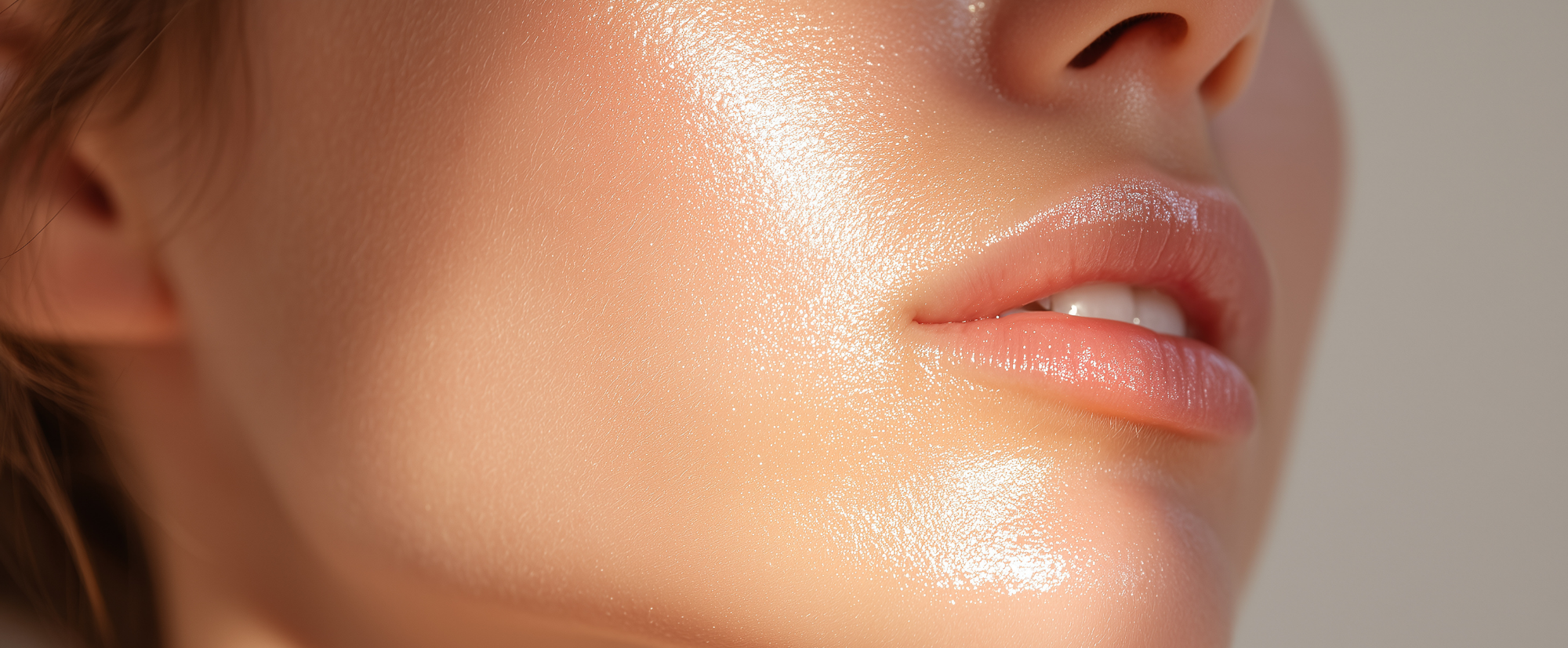
When it comes to skincare ingredients that deliver visible results, hyaluronic acid consistently ranks at the top. Dermatologists, aestheticians, and skincare enthusiasts alike praise this naturally occurring molecule for its unmatched ability to hydrate, plump, and rejuvenate the skin. But despite its widespread popularity, many people still do not fully understand what hyaluronic acid is, how it works, or why it is so essential for maintaining a youthful complexion.
At NakedBeautyMD, we believe that understanding the ingredients in your skincare routine is the key to getting the results you want. Hyaluronic acid is one of those ingredients that truly lives up to the hype, and knowing how to use it properly can make all the difference in your skin's health and appearance.
What Is Hyaluronic Acid?
Hyaluronic acid is a naturally occurring substance found throughout the human body. It is most concentrated in the skin, connective tissues, and eyes. Its primary function is to retain moisture. A single molecule of hyaluronic acid can hold up to one thousand times its weight in water, which makes it one of the most effective hydrating agents known to science.
In the skin, hyaluronic acid acts as a moisture reservoir. It sits within the extracellular matrix, the structural framework between skin cells, where it attracts and binds water molecules. This keeps the skin hydrated, plump, and supple. When hyaluronic acid levels are adequate, the skin looks full, smooth, and radiant.
Why Hyaluronic Acid Decreases with Age
Like many essential compounds in the body, hyaluronic acid production declines as you age. By the time most people reach their forties, their skin contains significantly less hyaluronic acid than it did in their twenties. This decline accelerates in the fifties and sixties.
The reduction in hyaluronic acid is one of the key contributors to the visible signs of aging. As the skin loses its moisture reservoir, it becomes drier, thinner, and less resilient. Fine lines and wrinkles become more prominent because the skin no longer has the volume and hydration necessary to maintain a smooth surface. The complexion may appear dull, and the skin's texture can become rough or uneven.
Environmental factors also deplete hyaluronic acid levels. UV radiation, pollution, and harsh weather conditions break down hyaluronic acid in the skin, further accelerating moisture loss. This is why individuals who spend a lot of time outdoors without adequate skin protection often experience premature skin aging.
How Topical Hyaluronic Acid Works
When applied to the skin in the form of serums, moisturizers, or masks, hyaluronic acid works by drawing moisture from the environment and deeper skin layers to the surface. This creates an immediate plumping effect that smooths fine lines and gives the skin a dewy, luminous appearance.
Different Molecular Weights
Not all hyaluronic acid products are the same. The molecule comes in different sizes, referred to as molecular weights, and each size penetrates the skin differently.
High molecular weight hyaluronic acid has larger molecules that sit on the surface of the skin. These molecules form a moisture barrier that prevents water loss and provides immediate hydration. The skin feels softer and looks smoother almost instantly after application.
Low molecular weight hyaluronic acid has smaller molecules that can penetrate deeper into the skin. These molecules deliver hydration to the lower layers of the epidermis, where they can stimulate collagen production and provide longer-lasting moisture retention.
The most effective hyaluronic acid products contain a blend of molecular weights to deliver both immediate surface hydration and deeper, sustained moisture. At NakedBeautyMD, we recommend products that use this multi-weight approach for the best results.
The Difference Between Hyaluronic Acid and Sodium Hyaluronate
You may have noticed that some products list sodium hyaluronate rather than hyaluronic acid as their active ingredient. Sodium hyaluronate is the salt form of hyaluronic acid and has a smaller molecular size. This allows it to penetrate the skin more easily and deliver hydration more efficiently.
Both forms are effective, and many high-quality products include both. The important thing is to choose a product with a meaningful concentration of either ingredient, typically listed among the first several ingredients on the label.
The Benefits of Hyaluronic Acid for Your Skin
The benefits of hyaluronic acid extend well beyond simple hydration. When used consistently, this ingredient can transform the overall health and appearance of your skin.
Deep, Lasting Hydration
The most obvious benefit of hyaluronic acid is its hydrating power. Unlike many moisturizing ingredients that simply coat the surface of the skin, hyaluronic acid actively attracts and retains water within the skin's structure. This creates a level of hydration that feels fundamentally different from what a basic moisturizer provides.
Patients who begin using hyaluronic acid regularly often notice that their skin feels more comfortable throughout the day. The tightness, flaking, and rough texture associated with dry skin diminish significantly, and the complexion takes on a healthy, naturally dewy quality.
Plumping and Smoothing Fine Lines
Because hyaluronic acid attracts water to the skin, it creates a plumping effect that fills in fine lines and wrinkles from within. This is not a cosmetic trick or an optical illusion. The skin is literally more hydrated and therefore fuller, which smooths the surface and reduces the visibility of lines.
Over time, this plumping effect becomes more pronounced as the skin's overall hydration levels improve. Many patients find that lines they assumed were permanent begin to soften and become less noticeable with consistent hyaluronic acid use.
Supporting Skin Barrier Function
The skin barrier, also known as the moisture barrier, is the outermost layer of the skin that protects against environmental aggressors, bacteria, and moisture loss. When the skin barrier is compromised, the skin becomes vulnerable to irritation, sensitivity, and accelerated aging.
Hyaluronic acid supports skin barrier function by maintaining optimal hydration levels. A well hydrated skin barrier is stronger, more resilient, and better able to protect against external threats. This makes hyaluronic acid particularly valuable for individuals with sensitive or reactive skin.
Enhancing Product Absorption
A well hydrated skin surface absorbs other skincare products more efficiently. When hyaluronic acid is applied as a first step in your routine, it creates a moisture rich environment that helps subsequent products, such as serums, treatments, and moisturizers, penetrate more effectively. This means you get more value from every product in your routine.
How to Use Hyaluronic Acid in Your Skincare Routine
Incorporating hyaluronic acid into your daily routine is simple, but a few best practices will help you maximize its effectiveness.
Application Tips
Apply hyaluronic acid to damp skin. Because this ingredient works by attracting moisture, applying it to slightly wet skin gives it an immediate source of water to draw upon. After cleansing, gently pat your skin with a towel so it is still slightly moist, then apply your hyaluronic acid serum.
Follow with a moisturizer to seal in the hydration. Hyaluronic acid draws water to the skin, but a moisturizer on top prevents that water from evaporating. This layering technique ensures that the hydration stays where it belongs.
Morning and Evening Use
Hyaluronic acid is gentle enough to use twice daily. In the morning, apply it after cleansing and before your sunscreen. In the evening, use it after cleansing and before any treatment serums or night creams. Its lightweight texture makes it easy to layer with other products without feeling heavy or greasy.
Pairing with Other Ingredients
Hyaluronic acid is one of the most versatile skincare ingredients because it pairs well with virtually everything. It works beautifully alongside Vitamin C, retinol, niacinamide, peptides, and alpha hydroxy acids. If you use active ingredients that can be drying or irritating, hyaluronic acid helps counterbalance those effects by maintaining hydration levels.
Professional Treatments with Hyaluronic Acid
In addition to topical products, hyaluronic acid plays a central role in many professional aesthetic treatments. Dermal fillers, which are used to restore volume, smooth wrinkles, and enhance facial contours, are primarily made from hyaluronic acid. These injectable treatments provide immediate results that can last from six months to over a year, depending on the product and the area treated.
Hyaluronic acid is also used in professional hydrating treatments, microneedling protocols, and combination therapies that deliver the ingredient deeper into the skin than topical products can reach. At NakedBeautyMD, we offer several treatment options that incorporate hyaluronic acid for patients looking to take their skin hydration to the next level.
Making Hyaluronic Acid Part of Your Long-Term Strategy
Hyaluronic acid is not a quick fix. It is a foundational ingredient that supports long-term skin health. By maintaining optimal hydration levels day after day, you are creating the conditions your skin needs to age more gracefully, resist environmental damage, and maintain the smooth, youthful appearance that well-hydrated skin naturally has.
If you are ready to experience the transformative power of hyaluronic acid, NakedBeautyMD is here to help. Our team can evaluate your skin, recommend the right products and treatments, and create a personalized plan that keeps your skin hydrated, healthy, and glowing. Contact us today to schedule your consultation.


