

THE NAKED STANDARD
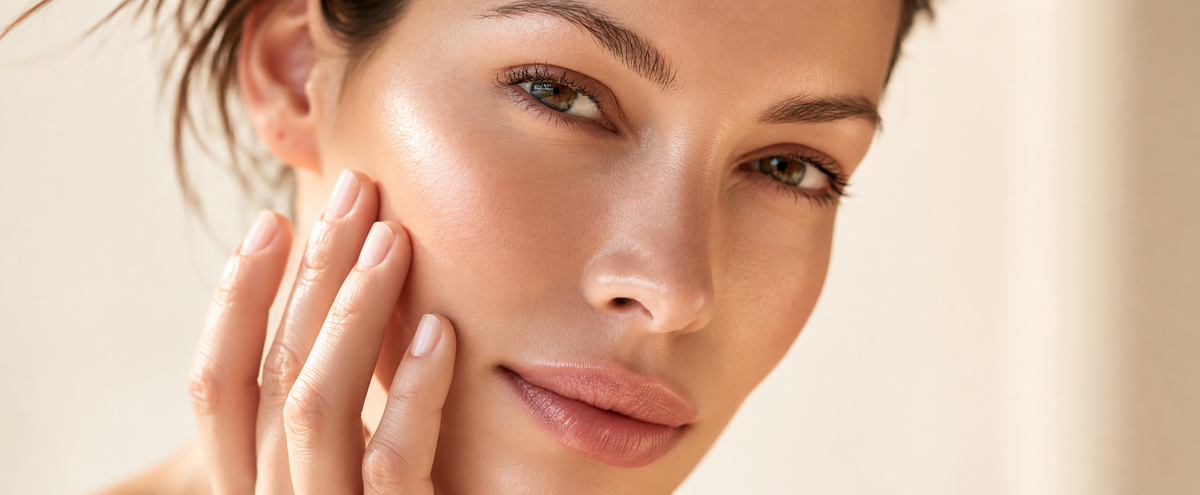

Blepharoplasty Aftercare: What Thoughtful Recovery Really Looks Like
After blepharoplasty, thoughtful recovery begins with patience. Learn how to care for the delicate eye area and gradually reintroduce skincare once your surgeon gives you clearance.
Learn more
Why Growth Factors Are Gaining Attention in Modern Skincare
There is a particular kind of skincare ingredient that arrives without much noise and then quietly becomes indispensable. Growth factors have followed that path. They have been used in clinical and post-procedure settings for years, largely away from the beauty conversation, and are now appearing in routines built by people who read ingredient lists carefully and are unmoved by packaging. The appeal is easy to understand once you know what they do. Most skincare supplies the skin with something it needs. Growth factors take a different approach, working with the signaling system that determines how skin repairs itself. At NakedBeauty MD, they are foundational to how we formulate, and this is our account of why. What Growth Factors Are and How They Work Growth factors are naturally occurring proteins that act as messengers between cells. They bind to receptors on a cell's surface and trigger specific responses: proliferate, migrate, produce collagen, initiate repair. The body relies on them constantly, most visibly during wound healing, when a coordinated cascade of growth factor signaling directs the rebuilding of damaged tissue. Skin produces fewer of these proteins with age, and the cells receiving them become less responsive. Fibroblasts slow their collagen production. The extracellular matrix, the structural scaffolding that keeps skin firm and resilient, is maintained less efficiently. The visible consequences are the ones everyone recognizes: thinner-looking skin, less bounce, lines that settle rather than fade, and a slower return to normal after any kind of insult. The premise behind topical growth factors is that supplying these signaling proteins may help support the repair pathways that have become less active. Gidumal and colleagues, writing in Facial Plastic Surgery Clinics of North America in 2026, review the biology connecting stem cells, growth factors, and peptides in skin improvement, and describe how these pathways overlap and reinforce one another. The Evidence Base Growth factors have a longer clinical history in topical use than most newer regenerative ingredients. Atkin and colleagues, publishing in the Journal of Cosmetic and Laser Therapy in 2010, studied physiologically balanced growth factors combined with antioxidants for facial photodamage and reported measurable improvement. Dayan and colleagues examined topical skin therapies in subjects undergoing full facial rejuvenation in the Journal of Cosmetic Dermatology in 2019. More recently, Abud and colleagues published a randomized, double-blinded pilot study in the Journal of Cosmetic Dermatology in 2026 comparing synthetic against human-derived topical epidermal growth factor, which speaks directly to a question worth asking about any growth factor product: where the proteins come from and how they were made. Research on the adjacent peptide category has also matured, with Nukaly and colleagues publishing a systematic review and meta-analysis of randomized controlled trials on oral and topical peptides for skin aging in Frontiers in Medicine in 2026. The honest summary is that growth factors sit on firmer evidential ground than several ingredients marketed with greater confidence, while remaining an area where formulation quality determines whether the biology translates into anything you can see. Topical growth factor products are cosmetics and have not been evaluated by the FDA for the treatment of any condition. What Separates One Growth Factor Product From Another Proteins are fragile. They are considerably larger than most skincare molecules, sensitive to heat, light, and pH, and prone to losing function during manufacturing or on a shelf. A product can contain growth factors and still deliver very little if the proteins have degraded before the bottle is opened. Three variables determine whether a formula performs. The first is source and production method, which govern the type of growth factor and its stability. The second is concentration, which is rarely disclosed and which separates a formulation decision from a label decision. The third is the surrounding formula, because a growth factor asking cells to build collagen produces more when the environment supports that request and less when it is fighting oxidative stress or a compromised barrier. This is the reason single-ingredient thinking tends to disappoint. The pathways involved in skin repair are interconnected, and supporting one input while ignoring the others produces a smaller return than the ingredient itself would suggest. Who Growth Factors Tend to Suit The people who benefit most are generally those whose skin has begun to lose firmness and resilience rather than those managing an active concern like acne or persistent pigmentation, which respond better to other categories. Anyone in their thirties onward who has established the fundamentals of sun protection, barrier support, and a proven active will find growth factors a logical addition rather than a replacement. They are also worth considering after in-office treatments, which is where the category originated. Procedures that create controlled injury rely on the skin's repair response to produce their result, and supporting that response during recovery is the reasoning behind their long-standing use in post-procedure protocols. Timing should follow the guidance of whoever performed the treatment. The NakedBeauty MD Standard NakedBeauty MD was founded by Dr. Catherine Chang, M.D., F.A.C.S., a Harvard-trained, board-certified plastic and reconstructive surgeon with subspecialty expertise in craniofacial aesthetic surgery. She trained at Columbia University, the University of Pennsylvania, and Harvard Medical School's Massachusetts General Hospital, leads Privé Beverly Hills, and has been named among America's top surgeons by Newsweek. The line exists because of a specific observation. Her patients valued the luminosity of their skin after procedures as much as the refinement of their features, and they wanted to keep it. Building formulas to that brief meant they had to hold up next to clinical work rather than simply sit beside it, which is a demanding standard and the reason our collection contains four products rather than forty. Each has a defined role. The ExoGlow Multi-Action Face Serum is the treatment step, combining growth factors with exosomes, peptides, and antioxidants across 26 actives to firm, brighten, and renew while supporting the skin's own hyaluronic acid production and providing blue light protection. The BioPeptide Growth Factor Eye Therapy applies the same approach to the eye area, where skin is thinnest and change appears first, and is tested for sensitive skin. The BioPeptide Firming Hydrogel Face Mask delivers actives under occlusion for a concentrated treatment. The Damask Rose Revitalizing Gold-Infused Hydrogel Eye Masks are the recovery step Dr. Chang originally developed to reduce inflammation and support healing after in-office work. Our formulas draw on more than 30 actives in total, including Copper Tripeptide-1 for collagen and elastin, Palmitoyl Pentapeptide-4 for firmness, Theobroma Cacao for blue light defense, Ceramide NP for barrier reinforcement, and Centella Asiatica for calming and repair. The complete list is published on The Science page, because we think anyone considering a purchase at this level should be able to read exactly what they are buying. Building Growth Factors Into a Routine Growth factor products belong on clean skin before heavier creams, giving the actives unobstructed access. They layer well with most routines and combine particularly effectively with antioxidants and daily sun protection, since preventing new damage makes any repair-supporting ingredient more productive. They also pair sensibly with retinoids, though the two are usually best separated between morning and evening if your skin is reactive. If you have been layering many single-ingredient serums, consolidating into one well-built multi-active formula often produces a clearer result, simply because there are fewer variables and fewer opportunities for ingredients to work against each other. What to Expect Collagen remodeling is slow biology, and it does not accelerate because a product is expensive. Hydration and surface radiance typically improve within two to four weeks. Texture and tone shift between six and twelve weeks. Firmness and elasticity, where they develop, do so over three to six months of consistent use. Consistency is the variable most within your control and the one most often abandoned. A well-formulated serum used sporadically for a year will do less than a moderate one used every day for three months. We would rather set that expectation clearly than have anyone conclude after a fortnight that the category does not work. Growth factor formulations suit most skin types, including sensitive skin. Anyone who is pregnant or nursing, has an active inflammatory skin condition, or has a personal history of skin cancer should speak with a physician before introducing any new regenerative active, and new products are always best introduced one at a time. Explore the Collection Growth factors are gaining attention because the underlying biology is sound, the clinical history is longer than most people assume, and the results, when the formulation is done properly, are the kind that accumulate rather than announce themselves. You can explore the full collection, read the NakedBeauty MD story, or review our frequently asked questions for guidance on layering and use. Complimentary shipping applies to orders over $150.
Learn more
Could Exosomes Be the Next Step in Your Advanced Skincare Routine?
Every few years, an ingredient arrives that genuinely shifts the conversation rather than simply refreshing the packaging. Retinoids did it. Vitamin C did it. Peptides did it more quietly. Exosomes are the current candidate, and they are being discussed with a level of interest that is unusual even by the standards of an industry that is rarely short of enthusiasm. The interest is warranted, but the explanations circulating online are often either oversimplified or overstated. At NakedBeauty MD, we formulate with exosomes because the science supporting cell-to-cell communication in skin is genuinely compelling. We also think anyone spending meaningfully on skincare deserves an honest account of what this ingredient is, what the evidence currently supports, and where the research is still developing. What Exosomes Actually Are Exosomes are extracellular vesicles, which is to say they are very small membrane-bound packages released by cells. They measure roughly 30 to 150 nanometers across, small enough that thousands would fit inside a single skin cell. Their function is communication. Cells use them to send proteins, lipids, and genetic material to other cells, effectively carrying instructions from one place to another. This matters for skin because so much of what we recognize as aging is a communication problem rather than a raw materials problem. Fibroblasts, the cells responsible for producing collagen and elastin, become less responsive over time. They receive fewer and weaker signals telling them to build and repair. The theory behind topical exosomes is that supplying additional signaling material may help restore some of that instruction, encouraging the cells already present to behave more like they did when they were younger. It is a different mechanism from most of what sits in a skincare routine. A moisturizer supplies lipids. An antioxidant neutralizes free radicals. An exfoliant removes surface cells. Exosomes are positioned as messengers rather than materials, which is precisely why the category has generated so much attention. Where the Science Currently Stands The honest position is that the mechanism is well characterized in laboratory research, while clinical evidence for topical application is still building. Duncan and colleagues, writing in Aesthetic Surgery Journal in 2026, provide a useful overview of exosomes in aesthetic medicine and the biological rationale behind their use. Wang and colleagues published a scoping review of exosome-based therapies in dermatology in the Journal of Drugs in Dermatology in the same year, surveying applications across rejuvenation, wound healing, and hair. Perhaps the most useful reference for anyone evaluating a purchase is Knauer and colleagues, whose scoping review in Aesthetic Surgery Journal in 2026 examined both the clinical evidence and the commercial landscape for topical exosomes specifically. The distinction they draw is worth carrying into any shopping decision, because the commercial category has expanded considerably faster than the published evidence base. Products vary enormously in source material, concentration, processing method, and formulation quality, and the word on the label tells you very little about any of that. Why the Category Deserves Scrutiny Topical exosome products are regulated as cosmetics, not as drugs. They have not been evaluated by the FDA for the treatment of any condition, and no brand, ours included, should suggest otherwise. That is not a disclaimer buried at the bottom of a page. It is context that should shape how you read every claim in the category. There is also considerable variation in what the word describes. Exosomes may be derived from plant sources, from human cell cultures, or produced through other biotechnology routes, and these are not interchangeable inputs. Processing determines whether the vesicles arrive intact and whether the signaling cargo survives the journey into a finished formula. A product listing exosomes on an ingredient deck has told you the category, not the quality. Our position is straightforward. Exosomes are a promising and scientifically interesting addition to a well-built routine. They are not a replacement for the ingredients with decades of clinical evidence behind them, and any brand implying otherwise is selling narrative rather than formulation. How Exosomes Compare to Other Regenerative Actives It helps to place exosomes next to the ingredients they are often confused with. Peptides are short chains of amino acids that act as targeted signals, well studied, stable, and reliable within a defined scope. Growth factors are larger proteins that direct repair pathways more broadly, with a longer clinical history in topical use. Exosomes are delivery vehicles carrying mixed cargo, which makes them potentially broader in effect and correspondingly harder to standardize. None of these makes the others redundant. They operate on related pathways through different mechanisms, which is an argument for formulating them together rather than choosing between them. It is also why we are skeptical of any product positioning a single regenerative active as a complete answer, and why our own formulas combine them. The NakedBeauty MD Approach to Formulation NakedBeauty MD was founded by Dr. Catherine Chang, M.D., F.A.C.S., a Harvard-trained, board-certified plastic and reconstructive surgeon who leads Privé Beverly Hills and has been named among America's top surgeons by Newsweek. The line began because her patients wanted to maintain the quality of skin they saw after procedures, which set a specific standard for the formulations from the beginning: they had to earn their place alongside clinical work rather than simply accompany it. That standard shapes how we use exosomes. They appear in our formulas as one active within a considered system rather than as a headline ingredient carrying a product by itself. Our ExoGlow Multi-Action Face Serum combines exosomes with growth factors, peptides, and antioxidants across 26 actives, formulated to firm, brighten, and renew while supporting the skin's own hyaluronic acid production and providing blue light protection. The logic behind that combination is deliberate. Signaling ingredients ask the skin to build. Peptides and growth factors contribute to the same repair pathways through different mechanisms. Antioxidants reduce the oxidative load, working against all of it. Barrier-supporting lipids ensure the environment is stable enough for any of it to matter. Asking a single ingredient to carry a formula is a marketing decision, not a formulation one. You can see the full active list on The Science page. How to Use Exosomes in a Routine Exosome-containing serums belong on clean skin, applied before heavier creams or oils so the actives are not obstructed. They layer comfortably with most routines and do not require the buffering that retinoids or acids often demand. If your routine is already extensive, this is a reasonable moment to simplify. A well-constructed multi-active serum can replace several single-ingredient products, which reduces the risk of ingredient conflicts and makes it far easier to identify what is actually working. Consistency matters more than complexity, and it matters far more than the number of steps. For the eye area, where skin is thinner and expression lines appear earlier, our BioPeptide Growth Factor Eye Therapy applies the same signaling logic in a formulation tested for sensitive skin. What to Expect Expectations should be calibrated to how skin actually works. Skin cells turn over roughly every 28 days in younger skin and more slowly with age, and collagen remodeling operates on a scale of months rather than weeks. Any product suggesting visible structural change within days is describing hydration, which is real and worth having, but is not the same as remodeling. A realistic timeline looks something like this. Improvements in hydration, comfort, and surface radiance often appear within the first two to four weeks. Changes in texture and tone tend to become apparent between six and twelve weeks. Firmness and elasticity, where they occur, develop over three to six months of consistent use. Photographs in consistent lighting are a far more reliable measure than daily mirror checks, which are heavily influenced by sleep, sodium, and light. Results vary between individuals, and they are influenced by sun exposure, sleep quality, hormonal status, genetics, and the rest of your routine. Exosome-containing products suit most skin types, including sensitive skin, though anyone with an active inflammatory condition or a history of reacting to new actives should introduce any new product gradually and consult a dermatologist where appropriate. Explore the Formulas Whether exosomes belong in your routine depends on what you already use and what you are trying to address. If your fundamentals are in place, sun protection, a proven active, and adequate barrier support, then a well-formulated multi-active serum is a reasonable next step. If those fundamentals are not established, we would rather you build them first. The collection is deliberately small. The ExoGlow Multi-Action Face Serum is the multi-active treatment step. The BioPeptide Growth Factor Eye Therapy addresses the eye area daily. The BioPeptide Firming Hydrogel Face Mask delivers actives under occlusion for a concentrated treatment. The Damask Rose Revitalizing Gold-Infused Hydrogel Eye Masks are the recovery step Dr. Chang originally developed for her own patients. Four products, each with a defined role. You can read more about the NakedBeauty MD difference or review our frequently asked questions for guidance on layering and use. Complimentary shipping applies to orders over $150.
Learn more
Better Microneedling Results Start with the Right Aftercare
Microneedling has become one of today's most popular skin rejuvenation treatments for improving the appearance of fine lines, uneven texture, enlarged pores, and acne scars. By creating controlled microchannels in the skin, microneedling supports the skin's natural renewal process, helping reveal a smoother, healthier-looking complexion over time. While the treatment itself plays an important role, what you do afterward can have just as much impact on your results. The first several days following microneedling are when your skin is most vulnerable and most receptive to supportive skincare. Choosing gentle, hydrating products and protecting your skin barrier can help maximize your results while minimizing unnecessary irritation. Why Aftercare Matters Microneedling temporarily creates thousands of microscopic channels in the skin. These tiny openings stimulate the skin's natural healing response while allowing topical products to absorb more effectively during the early stages of recovery. Because the skin barrier has been temporarily disrupted, it's also more sensitive to environmental stressors, harsh ingredients, and UV exposure. Supporting your skin with soothing, hydrating products during this recovery period helps maintain comfort while encouraging healthy-looking skin. Research published in the Journal of Cosmetic Dermatology found that microneedling significantly improves skin texture, fine lines, and acne scars, with visible improvements continuing over several months as collagen remodeling occurs. The review also emphasized that appropriate post-treatment care contributes to optimal outcomes. The First 48 Hours: Keep Your Routine Simple Immediately after microneedling, it's normal for your skin to appear pink or slightly red, similar to a mild sunburn. Some tightness, warmth, and sensitivity are also common as your skin begins its natural recovery process. During the first 24 to 48 hours, focus on supporting your skin rather than treating it. Use a gentle cleanser to remove impurities without disrupting the healing skin. Follow with hydrating, fragrance-free products that help replenish moisture and reinforce the skin barrier. Ingredients like hyaluronic acid, ceramides, peptides, and squalane are excellent choices because they provide hydration without causing unnecessary irritation. Avoid products containing retinoids, exfoliating acids, vitamin C, benzoyl peroxide, or physical scrubs until your skin has fully recovered. Since your skin is temporarily more permeable, active ingredients that are normally well tolerated may feel too harsh during this period. Hydration Supports Healthy-Looking Skin One of the most important goals after microneedling is maintaining hydration. Hydrated skin often feels more comfortable during recovery while supporting a smoother, healthier appearance. Moisture also helps reduce the feeling of tightness that many people experience during the first few days after treatment. The NakedBeauty MD BioPeptide Firming Hydrogel Face Mask is designed to replenish hydration while helping skin feel refreshed and revitalized. Its peptide-rich formula helps support the appearance of smoother, firmer-looking skin, making it an excellent addition to your recovery routine once your provider recommends resuming topical products. Likewise, the BioPeptide Growth Factor Eye Therapy delivers lightweight hydration to the delicate eye area, helping replenish moisture while supporting healthier-looking skin around the eyes. Don't Forget Sun Protection Freshly treated skin is more susceptible to UV damage. Even brief sun exposure during the healing period may contribute to unwanted discoloration, especially for individuals prone to hyperpigmentation. Applying a broad-spectrum mineral sunscreen with SPF 30 or higher every morning is one of the simplest ways to help protect your results. Wearing a wide-brimmed hat and limiting prolonged sun exposure during the first week can provide additional protection while your skin recovers. Give Your Skin Time to Heal Recovery looks a little different for everyone, but most people notice a gradual progression over the first week. During the first few days, redness and mild sensitivity typically begin to improve. Some light dryness or flaking may develop as the skin naturally renews itself. This is a normal part of the healing process and should not be mistaken for irritation. As the weeks progress, the deeper benefits of microneedling continue beneath the surface. New collagen and elastin gradually develop, helping improve the appearance of texture, firmness, and overall skin quality. Because collagen remodeling continues for several months, many people notice ongoing improvements long after the initial redness has resolved. Support Your Results With Consistent Skincare Microneedling is just one part of achieving healthier-looking skin. A consistent skincare routine before and after treatment helps maintain hydration, reinforce the skin barrier, and support your skin's natural renewal process. The NakedBeauty MD collection is formulated with thoughtfully selected ingredients that complement professional skin treatments by helping replenish moisture and promote healthier-looking skin. From the BioPeptide Firming Hydrogel Face Mask and BioPeptide Growth Factor Eye Therapy to other hydration-focused formulas, each product is designed to support your skin through every stage of your skincare journey. Whether you're recovering from your first microneedling session or maintaining the results of ongoing treatments, gentle aftercare and high-quality skincare can help your skin look smooth, radiant, and refreshed.
Learn more
Your Skin Works Overnight: Why Your Medical-Grade Skincare Should Too
Sleep is more than a time for rest. It's also when your skin naturally shifts its focus from defending against daily environmental stressors to replenishing hydration and supporting visible renewal. While your body does much of this work on its own, your evening skincare routine can help maximize this recovery window. Medical-grade skincare is designed with thoughtfully selected ingredients that support healthier-looking skin. When applied before bed, these formulas have uninterrupted time to hydrate, nourish, and reinforce the skin barrier while you sleep. With consistent use, a simple nighttime ritual can help your complexion appear smoother, firmer, and more radiant by morning. Why Nighttime Is Your Skin's Recovery Window Healthy-looking skin starts with consistency, and your evening routine plays an important role in maintaining hydration and supporting your skin barrier. After cleansing away makeup, sunscreen, and daily impurities, your skin is ready for restorative products that help replenish moisture overnight. While you sleep, your skin experiences its natural renewal process. This makes nighttime an ideal opportunity to apply medical-grade skincare formulated to replenish hydration, improve the appearance of texture, and support healthier-looking skin. Rather than using numerous products, a routine built around high-quality formulations can provide everything your skin needs to wake up looking refreshed. The Ingredients That Help Support Overnight Renewal One of the advantages of medical-grade skincare is the thoughtful combination of ingredients selected to work together in support of healthy-looking skin. Peptides are short chains of amino acids that help support the appearance of firmer, smoother skin. They are commonly included in advanced skincare formulations designed to improve the look of fine lines while promoting a more youthful appearance. Hyaluronic acid is well known for its ability to attract and retain moisture. By helping replenish hydration, it leaves skin feeling softer, smoother, and more supple while supporting the skin's natural moisture barrier. Ceramide NP helps reinforce the skin barrier, reducing moisture loss and supporting skin that looks healthy and resilient. Squalane is a lightweight moisturizer that helps soften and condition the skin without feeling heavy, making it an excellent ingredient for overnight hydration. Growth factors are used in skincare to help support the appearance of skin renewal and improve the look of smoother, healthier skin. Theobroma cacao peptides, featured in the ExoGlow Multi-Action Face Serum, help defend against blue-light-related oxidative stress while supporting hydration, firmness, and resilience throughout the day. Hydration and Visible Firmness While You Sleep One of the most important goals of an evening skincare routine is restoring hydration after a full day of environmental exposure. Moisture helps improve the appearance of dry, tired-looking skin while supporting a smoother, healthier-looking complexion. The BioPeptide Firming Hydrogel Face Mask is designed to replenish hydration, smooth visible texture, and revive the appearance of tired skin. Its 10-peptide complex helps support visible firmness while promoting a more radiant appearance, making it an ideal addition to a weekly evening ritual. Hydrated skin often reflects light more evenly, giving it a naturally healthy glow. Incorporating replenishing treatments into your routine can help maintain that refreshed appearance over time. Give Extra Attention to the Eye Area The skin around the eyes is thinner and more delicate than the rest of the face, making it one of the first areas to show visible signs of fatigue and aging. The BioPeptide Growth Factor Eye Therapy is formulated with growth factors, hyaluronic acid, ceramide NP, squalane, and nourishing emollients that help replenish delicate skin overnight while providing lasting hydration. For additional refreshment, Damask Rose Revitalizing Gold-Infused Hydrogel Eye Masks offer an easy way to hydrate and revitalize the under-eye area whenever it needs extra care, whether after travel, long days, or before a special event. Balance Daytime Defense With Evening Replenishment Healthy-looking skin benefits from care around the clock. During the day, skin is exposed to environmental stressors that can contribute to visible signs of aging. At night, your routine shifts toward replenishment and recovery. The ExoGlow Multi-Action Face Serum is designed for daytime use to support hydration, firmness, and resilience, while Theobroma cacao peptides help defend against blue-light-related oxidative stress. Pairing daytime protection with restorative evening products creates a balanced skincare routine that supports your skin every day. Discover the NakedBeauty MD Collection Beautiful skin isn't built in a single day. It's the result of consistent care and thoughtfully chosen products that support your skin's needs morning and night. The NakedBeauty MD medical-grade skincare collection is designed to complement your daily routine with formulas that help defend, replenish, and visibly renew the skin. From the daytime protection of ExoGlow Multi-Action Face Serum to the overnight replenishment provided by the BioPeptide Firming Hydrogel Face Mask, BioPeptide Growth Factor Eye Therapy, and Damask Rose Revitalizing Gold-Infused Hydrogel Eye Masks, each product is formulated to help your skin look healthy, hydrated, and radiant. Explore the NakedBeauty MD collection and discover how a simple morning and evening ritual can help support healthier-looking skin every day.
Learn more
Dr. Catherine Chang Named Among The Hollywood Reporter's Best Cosmetic Doctors
Recognition in aesthetic medicine reflects years of dedication to surgical training, technical refinement, and consistently natural-looking results. When The Hollywood Reporter named Dr. Catherine Chang among The 49 Best Cosmetic Doctors and Aesthetic Gurus in America, it recognized not only her surgical expertise but also the philosophy that has become the foundation of her work. As the founder of NakedBeauty MD and the plastic surgeon behind Privé Beverly Hills, Dr. Catherine Chang is known for delivering elegant, refined results that enhance rather than transform. Her approach emphasizes precision, restraint, and thoughtful surgical planning, helping patients achieve refreshed, balanced outcomes that never appear overdone. A Philosophy Built on Precision, Not Excess One statement from Dr. Chang's feature in The Hollywood Reporter perfectly reflects her philosophy: "The best surgery is undetectable not because it was minimal, but because it was masterful. Restraint is a technique. So is precision. Great outcomes don't happen by accident. They happen by design." This perspective defines every aspect of aesthetic surgery. Rather than pursuing dramatic changes, exceptional facial rejuvenation is about restoring harmony while preserving the features that make each person unique. Natural-looking results often require careful planning, technical expertise, and an understanding of facial anatomy that extends far beyond simply tightening skin. Every decision, from surgical technique to tissue repositioning, contributes to a balanced outcome that looks refreshed rather than altered. A Foundation Built on Education and Surgical Expertise Dr. Chang's recognition reflects years of advanced education and specialized surgical training. Having studied and trained at four Ivy League institutions, she combines academic excellence with extensive experience in facial plastic and reconstructive surgery. Her background in craniomaxillofacial surgery provides an especially detailed understanding of the underlying facial structures that influence both aesthetics and function. This expertise allows her to approach facial rejuvenation with a comprehensive understanding of facial balance, proportion, and long-term outcomes. Rather than focusing on isolated features, Dr. Chang evaluates the face as a whole, developing individualized surgical plans that complement each person's natural anatomy. A Leader in Deep Plane Facelift Surgery Among the procedures Dr. Chang is best known for is the deep plane facelift, an advanced facelift technique designed to reposition the deeper structural layers of the face rather than simply tightening the skin. By repositioning the deeper facial support structures rather than simply tightening the skin, the deep plane facelift creates smoother, longer-lasting rejuvenation while preserving natural facial movement and expression. The goal is to restore youthful contours with results that look refreshed and natural, not overdone or dramatically different. The Bijoux Lift: A Refined Mini Facelift In its feature, The Hollywood Reporter also recognized Dr. Chang as the pioneer of the Bijoux Lift, her signature mini facelift technique. Recognized by The Hollywood Reporter, the Bijoux Lift is Dr. Chang's signature mini facelift technique. Developed for carefully selected individuals experiencing earlier signs of facial aging, it focuses on subtle lifting and tightening around the jawline and jowls while preserving natural facial expression. The emphasis remains the same: elegant, balanced results that never draw attention to the surgery itself. Understanding the Person Behind the Procedure While technical expertise is essential, Dr. Chang believes meaningful aesthetic care begins with understanding each individual's goals. In her interview with The Hollywood Reporter, she explained that people rarely come seeking only a specific procedure. More often, there is a deeper conversation about confidence, identity, and how they hope to feel when they look in the mirror. That thoughtful approach has become a defining part of her philosophy, helping guide recommendations that are personalized rather than one-size-fits-all. A Comprehensive Approach to Facial Rejuvenation In addition to Deep Plane Facelift surgery and the Bijoux Lift, Dr. Chang specializes in several advanced facial procedures such as the Revision Facelift, Blepharoplasty, Neck Lift surgery, Rhinoplasty, and Facial Contouring. Each procedure is approached with the same philosophy of precision, restraint, and natural-looking results. From Surgical Philosophy to Everyday Skincare Being recognized among The Hollywood Reporter's Best Cosmetic Doctors and Aesthetic Gurus in America reflects Dr. Chang's commitment to precision, artistry, and thoughtful patient care. While her surgical work is performed through Privé Beverly Hills, the same philosophy of science-led innovation and meticulous attention to detail inspired the creation of NakedBeauty MD. The NakedBeauty MD collection brings Dr. Chang's approach to aesthetics into an everyday skincare ritual with medical-grade formulations designed to replenish hydration, support the skin barrier, and promote healthy-looking, radiant skin. Every product reflects the same belief that exceptional results come from thoughtful design, quality ingredients, and consistency over time. Whether you're discovering Dr. Chang through The Hollywood Reporter or exploring the NakedBeauty MD collection for the first time, her philosophy remains the same: beautiful results are achieved through precision, purpose, and care. Explore the collection to experience skincare inspired by that vision.
Learn more
The Role of Hyaluronic Acid in Maintaining Hydrated, Youthful Looking Skin
When it comes to skincare ingredients that deliver visible results, hyaluronic acid consistently ranks at the top. Dermatologists, aestheticians, and skincare enthusiasts alike praise this naturally occurring molecule for its unmatched ability to hydrate, plump, and rejuvenate the skin. But despite its widespread popularity, many people still do not fully understand what hyaluronic acid is, how it works, or why it is so essential for maintaining a youthful complexion. At NakedBeautyMD, we believe that understanding the ingredients in your skincare routine is the key to getting the results you want. Hyaluronic acid is one of those ingredients that truly lives up to the hype, and knowing how to use it properly can make all the difference in your skin's health and appearance. What Is Hyaluronic Acid? Hyaluronic acid is a naturally occurring substance found throughout the human body. It is most concentrated in the skin, connective tissues, and eyes. Its primary function is to retain moisture. A single molecule of hyaluronic acid can hold up to one thousand times its weight in water, which makes it one of the most effective hydrating agents known to science. In the skin, hyaluronic acid acts as a moisture reservoir. It sits within the extracellular matrix, the structural framework between skin cells, where it attracts and binds water molecules. This keeps the skin hydrated, plump, and supple. When hyaluronic acid levels are adequate, the skin looks full, smooth, and radiant. Why Hyaluronic Acid Decreases with Age Like many essential compounds in the body, hyaluronic acid production declines as you age. By the time most people reach their forties, their skin contains significantly less hyaluronic acid than it did in their twenties. This decline accelerates in the fifties and sixties. The reduction in hyaluronic acid is one of the key contributors to the visible signs of aging. As the skin loses its moisture reservoir, it becomes drier, thinner, and less resilient. Fine lines and wrinkles become more prominent because the skin no longer has the volume and hydration necessary to maintain a smooth surface. The complexion may appear dull, and the skin's texture can become rough or uneven. Environmental factors also deplete hyaluronic acid levels. UV radiation, pollution, and harsh weather conditions break down hyaluronic acid in the skin, further accelerating moisture loss. This is why individuals who spend a lot of time outdoors without adequate skin protection often experience premature skin aging. How Topical Hyaluronic Acid Works When applied to the skin in the form of serums, moisturizers, or masks, hyaluronic acid works by drawing moisture from the environment and deeper skin layers to the surface. This creates an immediate plumping effect that smooths fine lines and gives the skin a dewy, luminous appearance. Different Molecular Weights Not all hyaluronic acid products are the same. The molecule comes in different sizes, referred to as molecular weights, and each size penetrates the skin differently. High molecular weight hyaluronic acid has larger molecules that sit on the surface of the skin. These molecules form a moisture barrier that prevents water loss and provides immediate hydration. The skin feels softer and looks smoother almost instantly after application. Low molecular weight hyaluronic acid has smaller molecules that can penetrate deeper into the skin. These molecules deliver hydration to the lower layers of the epidermis, where they can stimulate collagen production and provide longer-lasting moisture retention. The most effective hyaluronic acid products contain a blend of molecular weights to deliver both immediate surface hydration and deeper, sustained moisture. At NakedBeautyMD, we recommend products that use this multi-weight approach for the best results. The Difference Between Hyaluronic Acid and Sodium Hyaluronate You may have noticed that some products list sodium hyaluronate rather than hyaluronic acid as their active ingredient. Sodium hyaluronate is the salt form of hyaluronic acid and has a smaller molecular size. This allows it to penetrate the skin more easily and deliver hydration more efficiently. Both forms are effective, and many high-quality products include both. The important thing is to choose a product with a meaningful concentration of either ingredient, typically listed among the first several ingredients on the label. The Benefits of Hyaluronic Acid for Your Skin The benefits of hyaluronic acid extend well beyond simple hydration. When used consistently, this ingredient can transform the overall health and appearance of your skin. Deep, Lasting Hydration The most obvious benefit of hyaluronic acid is its hydrating power. Unlike many moisturizing ingredients that simply coat the surface of the skin, hyaluronic acid actively attracts and retains water within the skin's structure. This creates a level of hydration that feels fundamentally different from what a basic moisturizer provides. Patients who begin using hyaluronic acid regularly often notice that their skin feels more comfortable throughout the day. The tightness, flaking, and rough texture associated with dry skin diminish significantly, and the complexion takes on a healthy, naturally dewy quality. Plumping and Smoothing Fine Lines Because hyaluronic acid attracts water to the skin, it creates a plumping effect that fills in fine lines and wrinkles from within. This is not a cosmetic trick or an optical illusion. The skin is literally more hydrated and therefore fuller, which smooths the surface and reduces the visibility of lines. Over time, this plumping effect becomes more pronounced as the skin's overall hydration levels improve. Many patients find that lines they assumed were permanent begin to soften and become less noticeable with consistent hyaluronic acid use. Supporting Skin Barrier Function The skin barrier, also known as the moisture barrier, is the outermost layer of the skin that protects against environmental aggressors, bacteria, and moisture loss. When the skin barrier is compromised, the skin becomes vulnerable to irritation, sensitivity, and accelerated aging. Hyaluronic acid supports skin barrier function by maintaining optimal hydration levels. A well hydrated skin barrier is stronger, more resilient, and better able to protect against external threats. This makes hyaluronic acid particularly valuable for individuals with sensitive or reactive skin. Enhancing Product Absorption A well hydrated skin surface absorbs other skincare products more efficiently. When hyaluronic acid is applied as a first step in your routine, it creates a moisture rich environment that helps subsequent products, such as serums, treatments, and moisturizers, penetrate more effectively. This means you get more value from every product in your routine. How to Use Hyaluronic Acid in Your Skincare Routine Incorporating hyaluronic acid into your daily routine is simple, but a few best practices will help you maximize its effectiveness. Application Tips Apply hyaluronic acid to damp skin. Because this ingredient works by attracting moisture, applying it to slightly wet skin gives it an immediate source of water to draw upon. After cleansing, gently pat your skin with a towel so it is still slightly moist, then apply your hyaluronic acid serum. Follow with a moisturizer to seal in the hydration. Hyaluronic acid draws water to the skin, but a moisturizer on top prevents that water from evaporating. This layering technique ensures that the hydration stays where it belongs. Morning and Evening Use Hyaluronic acid is gentle enough to use twice daily. In the morning, apply it after cleansing and before your sunscreen. In the evening, use it after cleansing and before any treatment serums or night creams. Its lightweight texture makes it easy to layer with other products without feeling heavy or greasy. Pairing with Other Ingredients Hyaluronic acid is one of the most versatile skincare ingredients because it pairs well with virtually everything. It works beautifully alongside Vitamin C, retinol, niacinamide, peptides, and alpha hydroxy acids. If you use active ingredients that can be drying or irritating, hyaluronic acid helps counterbalance those effects by maintaining hydration levels. Professional Treatments with Hyaluronic Acid In addition to topical products, hyaluronic acid plays a central role in many professional aesthetic treatments. Dermal fillers, which are used to restore volume, smooth wrinkles, and enhance facial contours, are primarily made from hyaluronic acid. These injectable treatments provide immediate results that can last from six months to over a year, depending on the product and the area treated. Hyaluronic acid is also used in professional hydrating treatments, microneedling protocols, and combination therapies that deliver the ingredient deeper into the skin than topical products can reach. At NakedBeautyMD, we offer several treatment options that incorporate hyaluronic acid for patients looking to take their skin hydration to the next level. Making Hyaluronic Acid Part of Your Long-Term Strategy Hyaluronic acid is not a quick fix. It is a foundational ingredient that supports long-term skin health. By maintaining optimal hydration levels day after day, you are creating the conditions your skin needs to age more gracefully, resist environmental damage, and maintain the smooth, youthful appearance that well-hydrated skin naturally has. If you are ready to experience the transformative power of hyaluronic acid, NakedBeautyMD is here to help. Our team can evaluate your skin, recommend the right products and treatments, and create a personalized plan that keeps your skin hydrated, healthy, and glowing. Contact us today to schedule your consultation.
Learn more
Why Dermatologists Recommend Vitamin C for Brighter, Healthier Skin
If you have spent any time researching skincare, you have almost certainly come across Vitamin C. It is one of the most widely recommended ingredients in dermatology, and for good reason. From brightening dull complexions to protecting against environmental damage, Vitamin C delivers a range of benefits that few other ingredients can match. But what exactly makes Vitamin C so effective? Why do dermatologists consistently place it at the top of their recommended skincare ingredients? And how should you use it to get the best results? At NakedBeautyMD, we believe in educating our patients so they can make informed decisions about their skincare. This guide breaks down everything you need to know about Vitamin C and why it deserves a permanent place in your routine. The Science Behind Vitamin C in Skincare Vitamin C, also known as ascorbic acid, is a potent antioxidant that plays several critical roles in skin health. Unlike many trendy ingredients that come and go, Vitamin C has decades of scientific research supporting its effectiveness. Dermatologists trust it because the evidence is clear and consistent. How Antioxidants Protect Your Skin Every day, your skin is exposed to environmental aggressors that generate free radicals. These unstable molecules come from UV radiation, air pollution, cigarette smoke, and even the blue light emitted by your phone and computer screens. Free radicals damage skin cells by stealing electrons from healthy molecules, triggering a chain reaction that accelerates aging and contributes to uneven skin tone. Antioxidants like Vitamin C neutralize free radicals by donating an electron without becoming unstable themselves. This process effectively stops the chain reaction of damage before it can affect your skin cells. By applying Vitamin C topically, you are giving your skin a layer of defense against the environmental factors that contribute to premature aging. Vitamin C and Collagen Production Collagen is the protein responsible for keeping your skin firm, plump, and youthful. As you age, collagen production slows down, which leads to fine lines, wrinkles, and a loss of skin elasticity. Vitamin C is essential for collagen synthesis because it serves as a cofactor in the enzymatic processes that build collagen fibers. When you apply Vitamin C to your skin, you are providing the building blocks your skin needs to produce new collagen. Over time, this leads to firmer, smoother skin with improved texture and reduced appearance of fine lines. The Brightening Power of Vitamin C One of the most celebrated benefits of Vitamin C is its ability to brighten the complexion. Dull, uneven skin tone is one of the most common concerns patients bring to dermatologists, and Vitamin C addresses it through multiple mechanisms. Inhibiting Melanin Production Vitamin C interferes with the enzyme tyrosinase, which is responsible for melanin production in the skin. Melanin is the pigment that gives skin its color, but overproduction of melanin leads to dark spots, hyperpigmentation, and an uneven complexion. By inhibiting tyrosinase activity, Vitamin C helps prevent new dark spots from forming and gradually fades existing discoloration. This makes Vitamin C particularly valuable for individuals dealing with sun spots, age spots, post-inflammatory hyperpigmentation from acne, or melasma. With consistent use, many patients notice a significant improvement in skin clarity and evenness. Enhancing Skin Radiance Beyond addressing hyperpigmentation, Vitamin C has an overall brightening effect on the skin. It promotes cell turnover, helping to shed dull, dead skin cells and reveal the fresh, luminous skin beneath. Patients who incorporate Vitamin C into their routine frequently describe their skin as looking more awake, more vibrant, and more alive. This natural radiance is one of the reasons dermatologists recommend Vitamin C for patients of all ages and skin types. Whether you are twenty-five and looking to maintain your glow or fifty five and working to restore it, Vitamin C delivers noticeable improvements. Sun Protection and Damage Repair While Vitamin C is not a substitute for sunscreen, it provides an additional layer of photoprotection that enhances your overall defense against UV damage. Boosting Sunscreen Effectiveness Studies have shown that applying Vitamin C beneath your sunscreen can enhance your protection against UV radiation. Vitamin C neutralizes the free radicals generated by UV exposure that sunscreen alone may not fully block. This complementary protection reduces the risk of sunburn, photodamage, and the long term effects of sun exposure on your skin. For patients in sunny climates or those who spend significant time outdoors, this added protection is invaluable. Dermatologists recommend applying a Vitamin C serum in the morning beneath your moisturizer and sunscreen for maximum benefit. Repairing Existing Sun Damage In addition to preventing new damage, Vitamin C has been shown to help repair existing sun damage. It promotes collagen production in areas where UV exposure has broken down collagen fibers, and it fades sun-induced hyperpigmentation over time. For patients who have accumulated years of sun damage, incorporating Vitamin C into their routine can make a meaningful difference in the appearance and health of their skin. Choosing the Right Vitamin C Product Not all Vitamin C products are created equal. The effectiveness of a Vitamin C product depends on several factors, including the form of Vitamin C used, the concentration, the pH of the formula, and the packaging. Forms of Vitamin C L-ascorbic acid is the most studied and most effective form of Vitamin C for topical use. It penetrates the skin efficiently and delivers the full range of benefits discussed above. However, it is also the most unstable form, which means it can degrade quickly when exposed to light, air, and heat. Other forms of Vitamin C, such as sodium ascorbyl phosphate, ascorbyl glucoside, and magnesium ascorbyl phosphate, are more stable but may not be as potent. These derivatives can still provide antioxidant benefits and are often better tolerated by individuals with sensitive skin. Concentration Matters Dermatologists generally recommend Vitamin C serums with concentrations between ten and twenty percent. Lower concentrations may not deliver noticeable results, while concentrations above twenty percent can increase the risk of irritation without proportionally increasing effectiveness. A fifteen percent concentration is often considered the sweet spot for most skin types, offering a strong balance of efficacy and tolerability. Packaging and Storage Because Vitamin C is prone to oxidation, proper packaging is essential. Look for products in opaque, airtight containers that minimize exposure to light and air. Amber or dark glass bottles with pump dispensers are ideal. If your Vitamin C serum changes color from clear or light yellow to dark orange or brown, it has oxidized and should be replaced. Using an oxidized product will not harm your skin, but it will not provide the full benefits you are looking for. How to Incorporate Vitamin C into Your Routine Adding Vitamin C to your skincare routine is straightforward, but a few tips can help you get the most out of this powerful ingredient. Morning Application Vitamin C is most effective when applied in the morning because it provides antioxidant protection throughout the day when your skin is most exposed to environmental stressors. After cleansing and toning, apply a few drops of Vitamin C serum to your face and neck. Allow it to absorb fully before applying moisturizer and sunscreen. Building Tolerance If you are new to Vitamin C, start by using it every other day and gradually increase to daily use as your skin adjusts. Some individuals experience mild tingling or redness when they first begin using Vitamin C, but this typically resolves within a few days as the skin acclimates. Complementary Ingredients Vitamin C works well alongside many other skincare ingredients. It pairs particularly well with Vitamin E and ferulic acid, which enhance its stability and effectiveness. Hyaluronic acid is another excellent companion, providing hydration that complements the brightening and firming benefits of Vitamin C. What Dermatologists Want You to Know Dermatologists recommend Vitamin C because it is one of the few ingredients with a strong, consistent body of evidence supporting its benefits. It is effective across all skin types, addresses multiple concerns simultaneously, and integrates easily into any skincare routine. At NakedBeautyMD, we help our patients select the right Vitamin C products for their specific skin type and concerns. Whether you are looking to brighten a dull complexion, protect against environmental damage, or support your skin's natural collagen production, Vitamin C is a cornerstone ingredient that delivers real, visible results. If you are ready to upgrade your skincare routine and experience the benefits of Vitamin C for yourself, reach out to NakedBeautyMD to schedule a consultation. Our team will help you build a personalized skincare plan that puts your best skin forward.
Learn more
Founder Interview: Dr. Catherine Chang on Building NakedBeauty MD
Dr. Catherine Chang on building a surgical-grade skincare line that answers to science, not trends. NakedBeauty MD didn’t begin with a brand strategy. It began in an operating room, with a surgeon who understood collagen at the structural level and couldn’t find products worthy of her patients. Dr. Catherine Chang is a Harvard fellowship-trained facial plastic and reconstructive surgeon based in Beverly Hills. Her brand, NakedBeauty MD, was born not from trend forecasting, but from a recurring clinical observation: even the most advanced procedures could be compromised by suboptimal at-home skincare. We sat down with Dr. Chang to understand the philosophy behind the brand, what it takes to build something rooted in surgical science, and why restraint, not scale, is her strategy. WHAT INSPIRED YOU TO START NAKEDBEAUTY MD? The inspiration came from clinical necessity. As a facial plastic surgeon, I operate at the deepest anatomical layers of the face. I understand how collagen behaves, how tissue heals, and how aging structurally changes the skin. Yet I repeatedly saw patients using products that were either ineffective or overly aggressive. There was a clear disconnect between what dermatologic science had achieved and what was being marketed to consumers. I wanted formulations that respected the skin barrier, stimulated collagen responsibly, and complemented surgical and non-surgical treatments. NakedBeauty MD was created to close that gap. “The brand emerged from patient need, not trend forecasting.” WHAT DOES IT MEAN TO BE A MEDICAL-GRADE SKINCARE BRAND? It means every ingredient choice has a clinical rationale. We use peptides, growth factors, and advanced hydrators because the science supports them—not because they test well in focus groups. The formulations are designed to support skin health at the cellular level: collagen stimulation, barrier reinforcement, and cellular turnover. Unlike influencer-driven brands, NakedBeauty MD is rooted in surgical-level anatomical expertise. I do not release a product unless it meets the same standards I would expect in an operating room. That restraint is intentional. WHAT HAS YOUR MARKETING STRATEGY BEEN? Education. Instead of relying on aggressive advertising, we focus on explaining ingredient science, collagen biology, and long-term skin health. Patients respond to clarity. Physician credibility, before-and-after outcomes, and informed storytelling have been more powerful than paid campaigns alone. In aesthetics, authority drives longevity. That’s not a positioning strategy, it’s a medical principle applied to brand building. THREE PRINCIPLES YOU’D GIVE EVERY ENTREPRENEUR 1. Build from expertise, not ego. Solve a real problem you understand deeply. 2. Validate before scaling. Clinical data and patient feedback matter more than hype. 3. Protect your brand integrity early. Compromises at the start become liabilities later. WHAT WOULD YOU DO DIFFERENTLY? I would invest in proprietary formulation research earlier. Intellectual property is one of the strongest long-term assets in a clinical brand. The earlier you protect the science behind what you’ve built, the stronger the foundation becomes. WHAT DOES LONG-TERM SUCCESS LOOK LIKE FOR NAKEDBEAUTY MD? My goal is not mass retail distribution. It is a clinically relevant expansion, growing through physician networks, deepening the science behind our peptide and regenerative formulations, and ensuring every product continues to earn its place in a patient’s routine. I envision NakedBeauty MD becoming synonymous with anatomically informed skincare, where every formulation has a purpose grounded in surgical science. Not a skincare brand that happens to be physician-founded. A physician’s standard applies to every product. “Long-term success requires restraint. Many brands scale quickly and dilute their standards. Sustainable success comes from maintaining quality, reinvesting in research, and protecting the brand’s core philosophy.” ABOUT DR. CATHERINE CHANG Dr. Catherine Chang is a Harvard fellowship-trained facial plastic and reconstructive surgeon based in Beverly Hills, California. She is the founder of NakedBeauty MD, a physician-formulated, medical-grade skincare line developed to bridge the gap between in-office clinical treatments and at-home skincare results. Her practice is grounded in natural, refined surgical outcomes informed by deep anatomical expertise in wound healing, collagen remodeling, and skin regeneration.
Learn more